Household products that can harm lung health
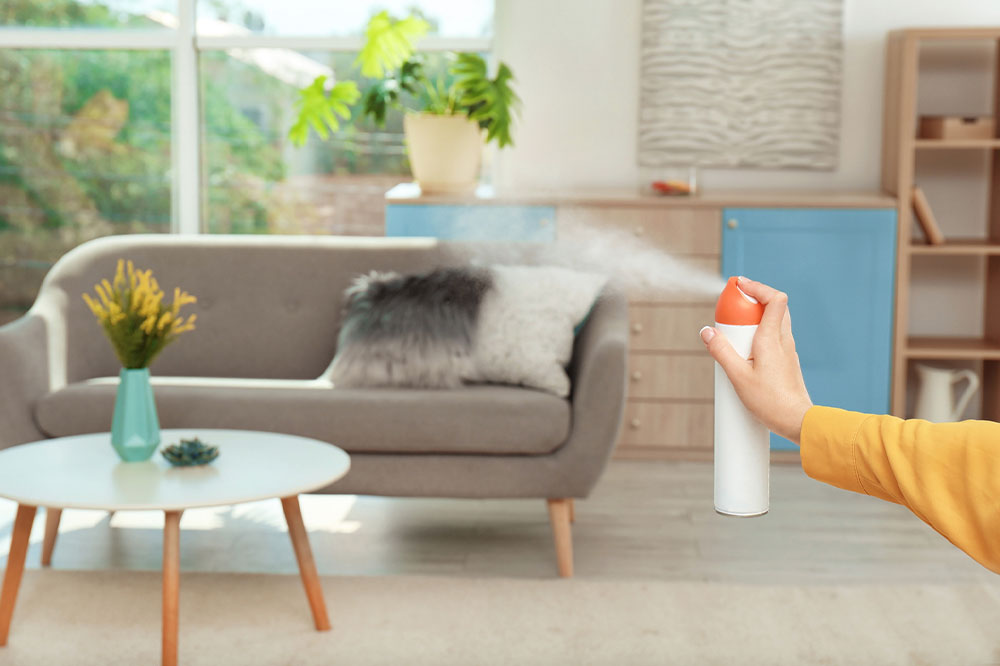
The market has many products to clean the house and keep it smelling fresh. However, not all of them may be as safe as you think. Some cleaners have harsh chemicals and ingredients that can harm you, the other members of your house, and even your pets. So, it is crucial to research well before choosing items to use at home. Here are some common household products that harm lung health and must be avoided.
Cleaning solutions
Most cleaning solutions, including floor, window, countertop, rug, and oven cleaners, have volatile organic compounds that potentially threaten the lungs. When used, volatile organic compounds release harmful gasses into the air, which can worsen COPD symptoms. COPD, or chronic obstructive pulmonary disease, is a term used to describe a group of diseases that block the airflow to the lungs and create breathing-related issues. What is more worrying is that the gasses from volatile organic compounds can have effects that last for years.
Besides volatile organic compounds, household cleaners have ammonia and bleach, ingredients that can be harmful when their quantity is not regulated. Research studies suggest that women who used cleaning products more frequently or worked as professional cleaners and used these products noticed a rapid decline in their lung health as opposed to those women who did not use these cleaning products regularly.
Air fresheners
Air fresheners are a great addition to keep the house smelling fragrant and clean. However, most of the options in the market use chemicals to diffuse the fragrance. Moreover, like the household cleaning solutions discussed above, air fresheners have volatile organic compounds that release harmful gasses into the air, which anyone nearby might inhale.
Benzene, phthalates, and formaldehyde are a few chemicals you may find in air fresheners, which are all harmful to the lungs when inhaled. They can lead to coughing, wheezing, difficulty breathing, and other symptoms. Further, they can trigger allergy reactions in some people.
Some other ingredients commonly used in household products like air fresheners are as follows:
Phthalates: These are plasticizers that help spread the fragrance in the room. Phthalates are known to affect hormones and may also cause cancer.
Propellants: These are the hydrocarbons responsible for forming the fine mist you see when the air freshener is turned on. Besides damaging the lungs, they can cause severe complications like abnormal heartbeats.
Solvents: Solvents like ethanol and glycol ethers, used for diluting other ingredients in the formula, can cause lung irritation when inhaled.
Aldehydes: This compound is formed naturally when different ingredients are mixed to create a freshener. Aldehydes increase the risk of cancer and act as an irritant to the lung.
Like air fresheners, deodorizers can have detrimental effects on the lungs. Deodorizers are sprayed on the body to eliminate odor and provide a fresh fragrance but use chemicals to achieve this goal. Some brands even use ingredients that can irritate the lungs when inhaled and increase the risk of cancer. Many people are allergic to deodorants and may develop severe discomfort.
Pesticides and insecticides
Pesticides and insecticides help kill germs and pests in the house or the backyard. They play a pretty important role in doing so because germs and pests can lead to diseases. However, like the household products listed above, they use harmful chemicals to get the job done. The common toxins in pesticides and insecticides are organophosphates and pyrethroids. These elements can lead to respiratory damage and symptoms like coughing, acute or chronic lung disease, and shortness of breath.
A study done to understand the effects of these chemicals on smallholder farmers suggested that using them frequently may lead to lung impairment. Therefore, exposure to these chemicals should be prevented or at least regulated. These days, the market has several pesticides and insecticides that use natural formulas to eliminate pests without significantly impacting lung health, making them suitable alternatives.
Safe DIY cleaning products to prevent lung damage
Sadly, most household products, be it cleaners, air purifiers, or pesticides, do not list the ingredients properly on the label, making it hard to choose. So, one of the easiest ways to prevent and regulate exposure to chemicals is by preparing your DIY cleaning products at home using natural ingredients. Here are a few options to try:
Scented all-purpose cleaner
Combine one part white vinegar, one part water, lemon rind, and some rosemary sprigs, and pour the mixture into a spray bottle. Shake the bottle thoroughly to blend the ingredients and set it aside to infuse for a week. Once infused and fermented, spray the solution to clean hard water stains, wipe away wall smudges, clean your trash can, or sanitize anything you like. But be careful when using it on stainless steel products because some manufacturers advise against vinegar usage. Read the manual of the appliances before cleaning them if unsure.
Kitchen cleaner
Mix four parts of baking soda and a quart of warm water. Then use a clean sponge to absorb this mixture and rub it on the kitchen counter, appliances, fridge, and even taps and sinks. Baking soda makes for a great cleaning agent and is entirely natural. You can even use baking soda to unclog kitchen pipes!
If you’re looking for a lung-friendly air freshener, make an essential oil diffuser at home. But ensure the essential oil is pure. You can also take tiny porous wooden pieces, add drops of essential oil, and let them get mixed in the air naturally and slowly. Alternatively, you can dip wooden sticks in essential oil and place them in the bathrooms or even your room. Unlike store-bought products, these DIY ideas won’t put your lung health at risk. They are also inexpensive and will help you save money in the long term.